Why Stress Can Feel So Physical

Stress isn’t always loud. Sometimes it doesn’t arrive as a big dramatic moment. Sometimes it creeps in quietly and shows up in the body before you’ve even realised what’s going on;
· Tight shoulders.
· A clenched jaw.
· A heavy chest.
· A busy mind that won’t switch off.
· Tiredness that doesn’t shift after one decent night’s sleep.
· That feeling that you’re constantly bracing for the next thing.
If you’ve ever said, “I’m just stressed” while your whole body feels like it’s carrying the weight of it, you’re not imagining it.
Stress can feel physical because we don’t only experience life through our thoughts. We experience it through the body too.
Stress isn't just in your head
When life feels busy, uncertain or overwhelming, your body can respond as though it needs to protect you. That can be useful in short bursts. If you need to react quickly, deal with pressure or get through something difficult, your body has clever ways of helping you cope but when pressure keeps going, your body might not get the message that it’s safe to soften again.
That’s when stress can start to feel less like a passing mood and more like a physical state. You might notice;
· tension in your neck, shoulders or back
· shallow breathing
· jaw clenching
· feeling wired but tired
· finding it hard to settle
· poor sleep
· headaches
· digestive discomfort
· feeling jumpy or on edge
· struggling to switch off
These signs don’t mean something is “wrong” with you. They could simply be your body showing you that it’s been holding a lot and honestly, it can hold more than we give it credit for.
What does it mean when your body feels stuck on high alert?
Feeling stuck on high alert can feel like your body is waiting for something to happen. You might be safe at home, drinking a cup of tea, with nothing urgent going on, but inside you still feel tense or restless. It can feel like;
· you can’t fully relax
· tiny things irritate you more than usual
· your mind keeps scanning for problems
· you feel responsible for everything
· rest feels impossible
· you’re tired but can’t stop
· your body feels tense even when your day is quiet
This can be frustrating because people around you may say things like, “Just relax” or “Take a break”.
Lovely idea … Not always that simple.
If your body has been used to running on pressure, slowing down can feel unfamiliar. Sometimes it can even feel uncomfortable at first. You could be in a beautiful place like Bath, surrounded by calm-looking streets, stone buildings and pretty views, but your body doesn’t care how nice the backdrop is if your system feels overloaded.
Your body wants safety, space and a chance to calm.
Why resting isn’t always the same as feeling rested
This is one of the things lots of people misunderstand. You can lie on the sofa and still not feel rested. You can have a quiet day and still feel exhausted. You can sleep and still wake up feeling as though your body hasn’t properly recovered.
Rest isn’t just about stopping activity. It’s also about whether your body and mind feel safe enough to settle. If you’re lying down but mentally running through your to-do list, replaying conversations or worrying about tomorrow, your body may still be working hard.
So yes, you might be “resting”, but your body could still be in doing mode. That’s why rest can feel oddly unproductive. You’re not doing anything obvious, but inside, your system is still busy.
Gentle support, quieter spaces and body awareness can help some people begin to notice what their body needs. This isn’t about forcing relaxation. It’s about making space for it.
The difference between feeling tired and feeling overwhelmed
Tiredness and overwhelm can feel similar, but they’re not always the same. Tiredness might say;
· “I need sleep.”
· “I need food.”
· “I need water.”
· “I need a proper break.”
· “I’ve used a lot of energy.”
Overwhelm might say;
· “There’s too much.”
· “I don’t know where to start.”
· “I can’t take in one more thing.”
· “Everything feels loud.”
You can be tired without being overwhelmed. You can be overwhelmed without being physically tired. You can also be both, which is a charming little cocktail nobody asked for. The reason this matters is because the support you need could be different;
· If you’re tired, your body might need proper rest, food, water, warmth or less activity.
· If you’re overwhelmed, you might need less input, fewer decisions, quieter surroundings, reassurance or help breaking things down.
Sometimes the kindest thing you can ask yourself is not, “Why am I like this?”. It’s … “What is my body trying to tell me?”
Five everyday signs your body may need more rest
Your body often whispers before it shouts.
Here are five everyday signs that you might need more rest, more space or a bit more gentle support.
1. You feel irritated by small things
When your system is overloaded, tiny things can feel massive.
· A noise.
· A question.
· A message.
· A change of plan.
It might not be the thing itself. It might be that your capacity is already full.
2. Your body feels tense for no obvious reason
You may notice your shoulders creeping up, your jaw clenching or your stomach tightening. Sometimes the body holds tension long before the mind catches up.
3. You can’t switch off, even when you’ve got time
You finally get a quiet moment, but your mind keeps going.
· Planning.
· Worrying.
· Remembering.
· Preparing.
That can be a sign that your body is still in alert mode.
4. You feel tired but restless
This can feel so confusing. You want to stop, but stopping feels uncomfortable. You want to rest, but your body doesn’t quite know how to land. This can happen when you’ve been pushing through for too long.
5. You feel disconnected from yourself
You might not know what you need. You might not notice hunger, thirst, tiredness or tension until it becomes intense.
This can happen when life has trained you to keep going and ignore your own signals and to be fair, most of us have been trained that way.
Why some people find it difficult to slow down
Slowing down sounds simple. In real life, it can feel awkward, irritating or even a bit unsafe;
· Some people are so used to being busy that quiet feels strange.
· Some have spent years taking care of everyone else.
· Some feel guilty when they stop.
· Some only notice how tired they are once they finally pause.
· Slowing down can bring awareness and awareness can feel uncomfortable at first.
You may suddenly notice tension, emotion or exhaustion that was hidden under the noise of daily life. That doesn’t mean you’re doing it wrong. It could simply mean your body finally has enough space to be heard.
Where Spinal Flow fits
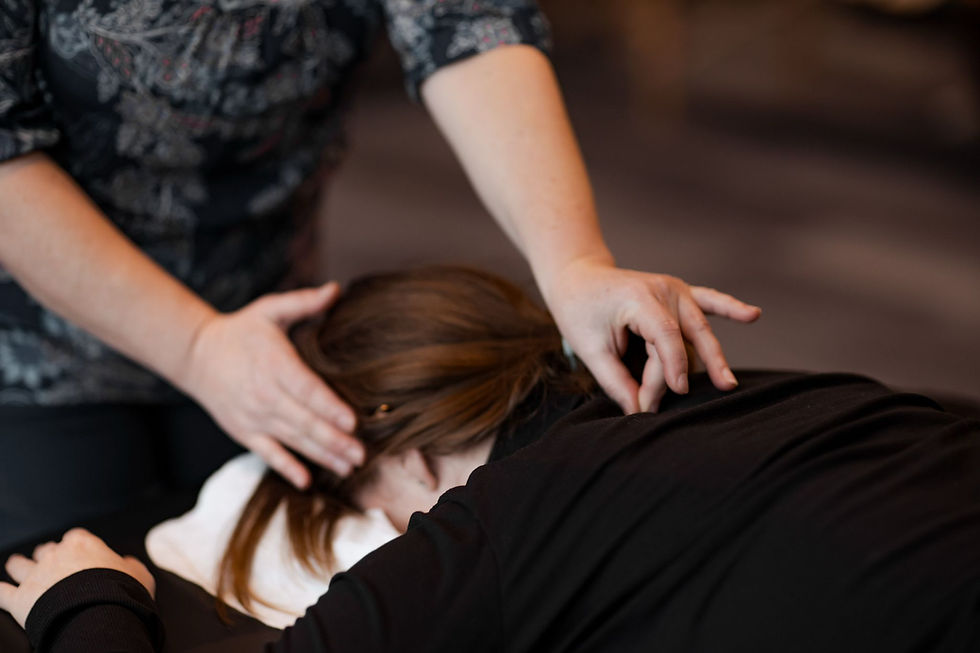
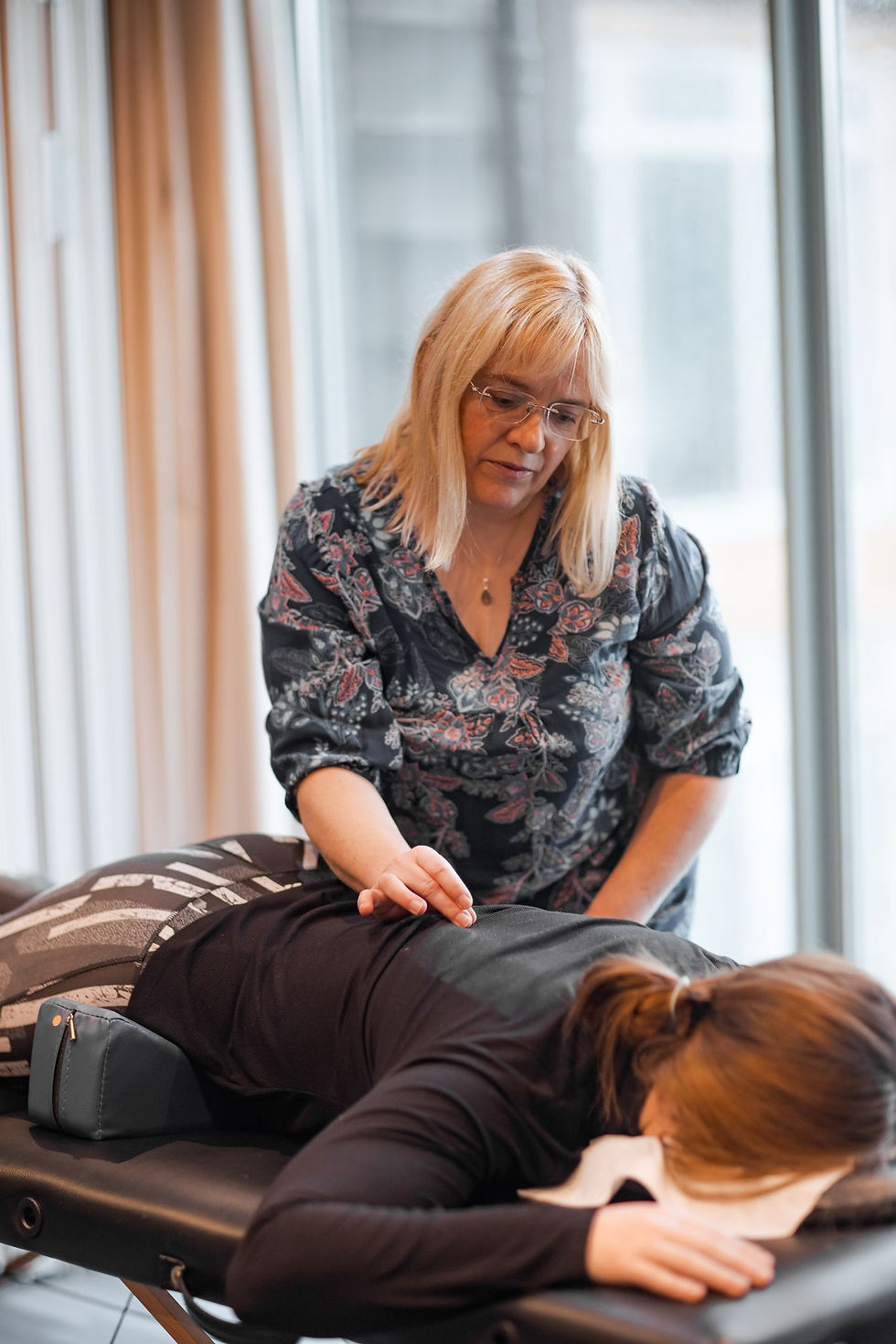
Spinal Flow is a gentle, clothed, non-invasive technique that works with light touch and body awareness. It can offer a calm space to pause, reconnect with your body and notice what you notice. For some people, that gentle space is exactly what they’ve been missing.
· No need to force relaxation.
· No need to explain everything.
· No need to arrive calm.
· No need to know what your body needs before you come.
· You can simply begin where you are.
A gentle place to start
If stress has started to feel physical, try not to judge yourself for it. Your body could’ve been doing its best to support you through a lot.
· Start small.
· Take one quiet breath.
· Drop your shoulders.
· Unclench your jaw.
· Drink some water.
· Step away from noise for five minutes.
· Notice where your body feels tight, heavy or tired.
· You don’t need to fix everything today.
· You can begin by listening.
If you’re curious about Spinal Flow and would like gentle support here in Bath, you’re very welcome to book a session with Jules or send a message first.
Comments